
Structural Engineering Students for Humanity (SESH)
ABOUT US
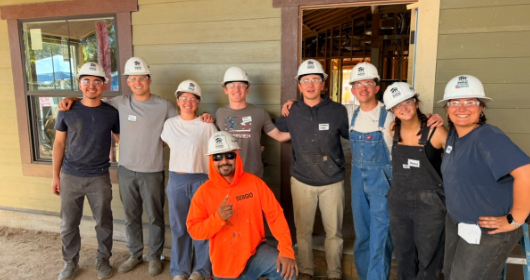
SESH (Structural Engineering Students for Humanity) is a student-led organization within Cal Poly's Architectural Engineering Department dedicated to applying structural engineering knowledge to serve communities affected by natural disasters and other humanitarian challenges. Through local service projects, disaster recovery efforts, and international partnerships, SESH provides students with opportunities to engage in meaningful, real-world engineering work. Guided by Cal Poly's "Learn by Doing" philosophy, our mission is to develop future engineers who are committed to resilience, public service, and humanitarian impact. We strive to make SESH a year-round organization that uses engineering to strengthen communities both locally and globally.
SESH FUNDRAISING
Our fundraising goal this year is $10,000 for Miyamoto Global Relief's Los Angeles Fire Relief Fund, supporting communities recovering from the devastating Southern California fires. Every contribution helps provide critical rebuilding resources, technical expertise, and long-term resilience support to affected neighborhoods.
To help us support ongoing disaster recovery efforts and reach our $10,000 fundraising goal, please consider donating here:
SESH TRIP 2026
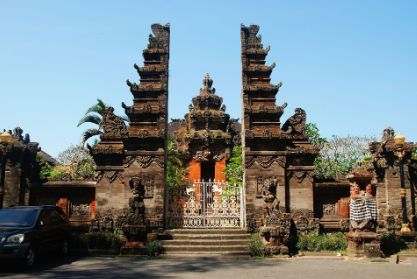
This summer, 13 SESH students will travel to Bali, Indonesia, in partnership with Miyamoto Global Disaster Relief to conduct ASCE 41 seismic evaluations of schools and hospitals. Working alongside Indonesian authorities and local university students, participants will help assess critical infrastructure, promote earthquake preparedness, and support long-term community resilience through technical knowledge-sharing and collaboration.
SESH CO-LEADERS
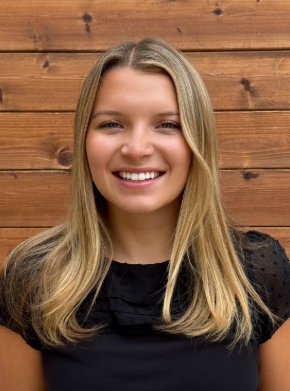
MACKENZIE BRACK
About Me
Hi! My name is Mackenzie Brack, and I am a rising fourth-year ARCE student.
What makes you passionate about SESH?
I am passionate about SESH because it gives me
the opportunity to use my engineering skills to make a meaningful difference in communities facing structural challenges. I want to learn how to listen to community members, understand their needs, and collaborate on sustainable, respectful, and culturally appropriate solutions. To me, humanitarian engineering is about more than designing structures, it is about empowering communities, promoting equity, and making engineering knowledge accessible to those who need it most. Through SESH, I hope to grow as both an engineer and a community-centered problem solver.
RYAN LOVEJOY

About Me
Hi! My name is Ryan Lovejoy, and I am a rising fourth-year ARCE student from Atlanta, GA.
What makes you passionate about SESH?
I am passionate about SESH because it combines two things that have shaped my life: service and engineering. Through experiences volunteering with Habitat for Humanity and participating in community rebuilding efforts, I have seen the impact that dedicated individuals can have on the lives of others. Through SESH, I have the opportunity to help build a culture of humanitarian engineering at Cal Poly while inspiring students to use their technical skills to strengthen communities, support disaster resilience, and create meaningful impact both locally and globally.
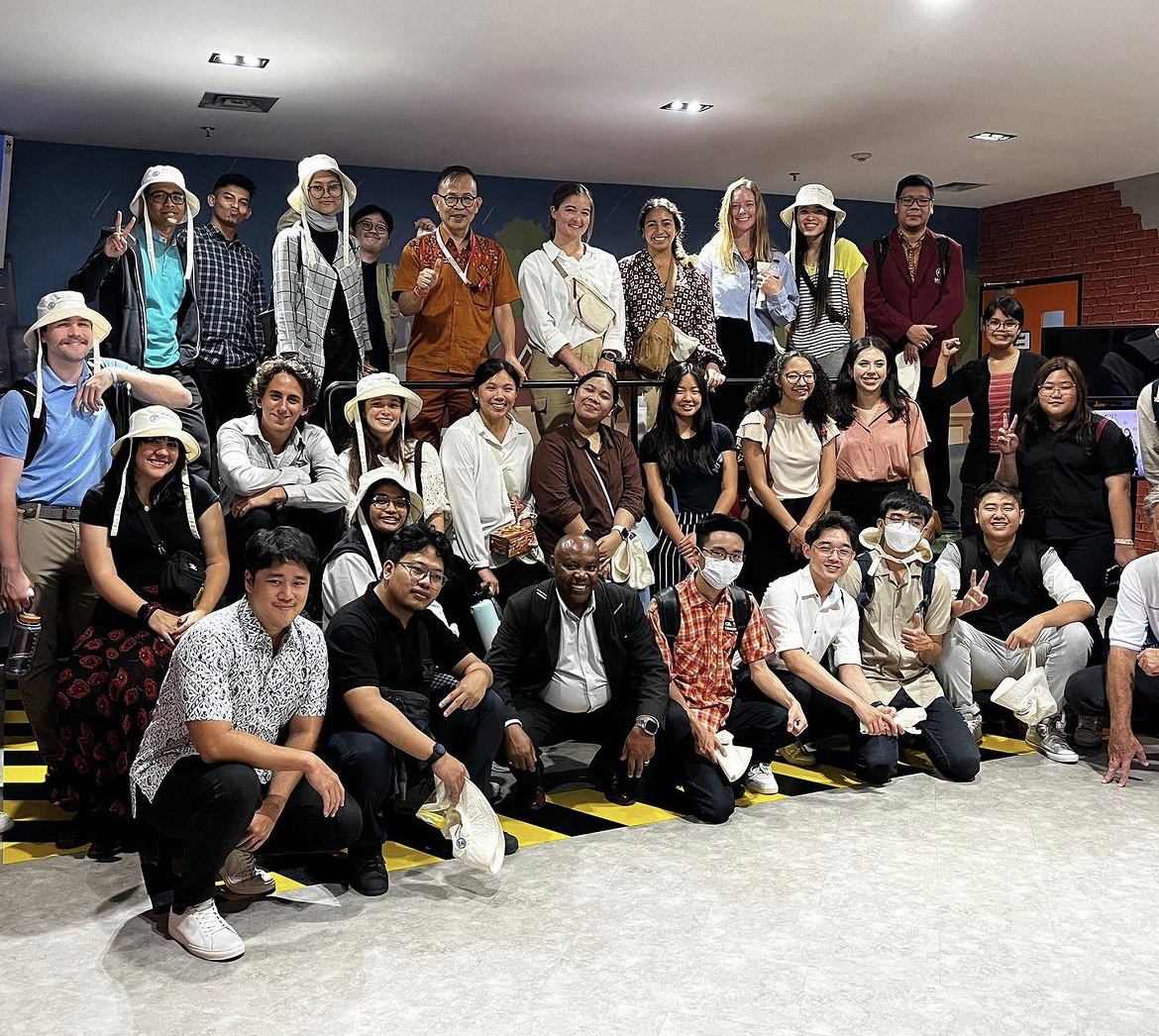
The 2023 SESH trip was to Jakarta, Indonesia. During this trip Cal Poly Architectural Engineering students were joined by students from two local universities in Indonesia and paired into groups to do community surveying. They collected preliminary data for a Miyamoto Global Relief program called 'Kuat' which is Indonesian for 'strong'. The survey involved meeting with local residents and business owners to identify their structure’s typology. Students then assessed how the structure would behave in different Modified Mercalli Intensities, drawing on knowledge from their coursework and a full day of prep from the Indonesian team.
ABOUT US
This year SESH is a comprised of 15 Architectural Engineering students and one faculty advisor, with a collective mission to aid communities affected by natural disasters through humanitarian structural engineering.
SESH strives to experience first-hand the effects of poorly designed buildings in seismically active areas, to gain knowledge on building me
thods and building materials in another region of the world, and to use incorporate learned engineering and construction practices outside of the classroom in a place recently affected by disaster. Our goal is to connect with the local people and communities through the built environment.
Together SESH works alongside Miyamoto Global Disaster Relief on social impact projects around the world. Students will get the opportunity to aid Miyamoto Relief with damage mapping and developing retrofit schemes in order to maintain the historical and architectural integrity of the structures they work on.

ABOUT MIYAMOTO
Miyamoto Global Disaster Relief, is a 501(c)(3) non-profit organization pioneered by Dr. Kit Miyamoto. Miyamoto Global Disaster Relief works to save lives by encouraging adherence to international building standards in developing countries through public education, technical seminars for builders and demonstration projects. More importantly, their work helps to prevent further structural failures due to a lack of engineering knowledge, improper building practices and substandard materials. Miyamoto Relief was created to improve the structural safety of schools and other buildings and to provide structural engineering assistance to communities hit by disaster. After a disaster, Miyamoto Global Disaster Relief sends teams of engineers to help people and communities begin repairing and rebuilding their lives and livelihoods. Currently, our efforts are directed towards rebuilding and seismically strengthening schools in Haiti and Nepal.
2022 SESH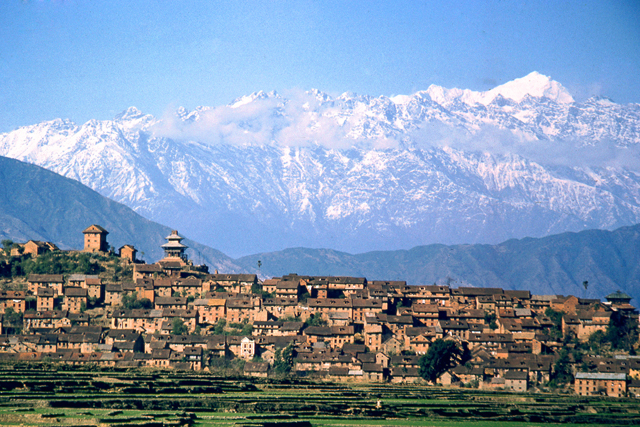 TRIP
TRIP
 TRIP
TRIPThis past summer, a group of students and faculty went to the seismically active region of Pedernales, Ecuador. Our team partnered with Miyamoto Engineering to assist the effected community in the design and construction of bamboo structures.
If you are interested in sponsoring SESH click here.
Please email seshinslo@gmail.com if you have any questions!

2019 SESH TRIP
At the end of the summer, our SESH team along with professor James Mwangi traveled to Myanmar led by trip leaders Robert Garland and Leah George. The team partnered with Miyamoto Relief to work on seismic retrofits of college buildings in the city of Yangon. After the projects were completed the team traveled to Bagan, Myanmar to tour the temples.
View photos of the trip on our Instagram
2018 SESH TRIP
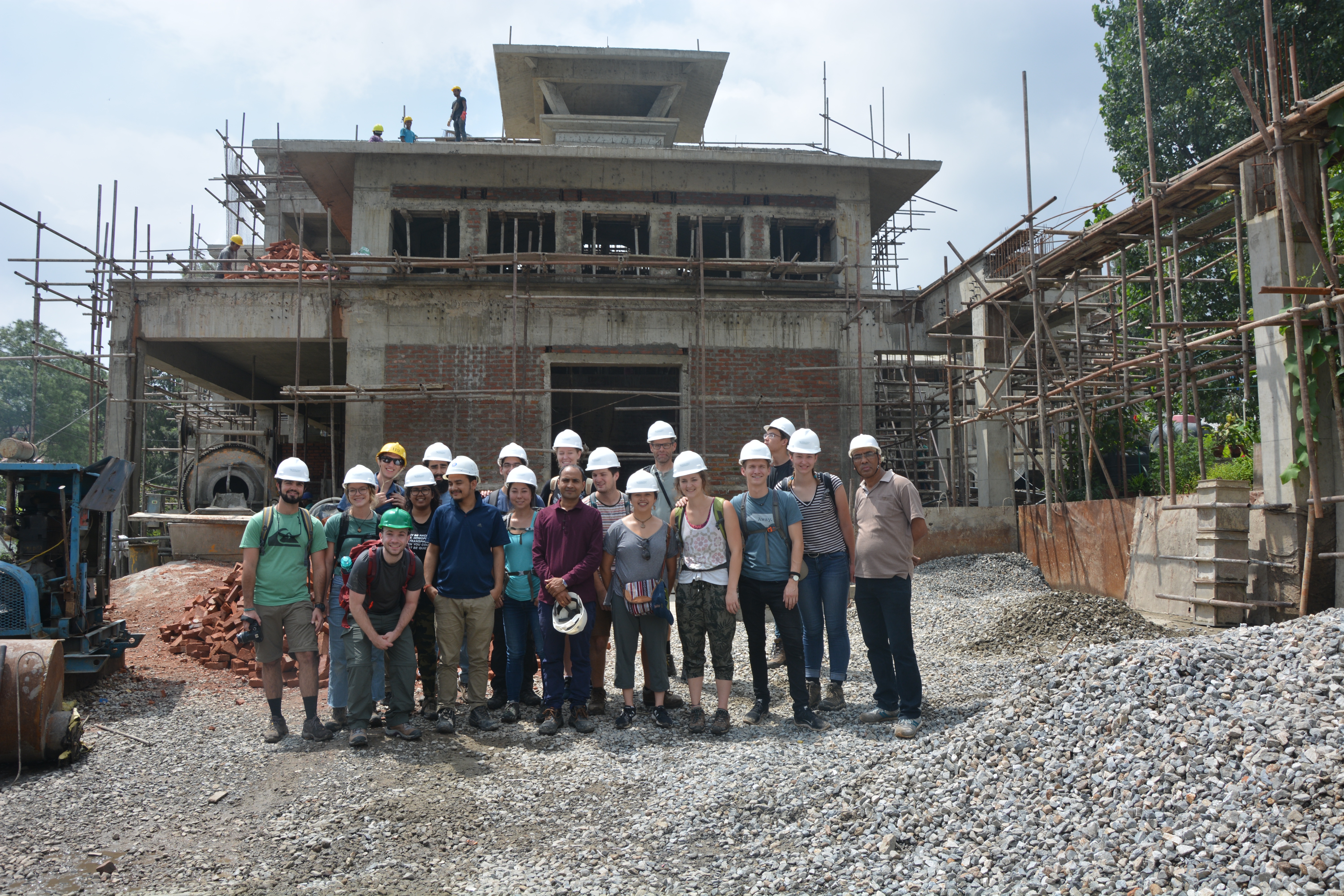
At the beginning of September, a group of 15 students and professor Peter Laursen embarked on a two week journey to Kathmandu Nepal led by trip leaders Jenna Williams & Elyssa Adams. While there, they had the opportunity to work on a couple humanitarian projects with Miyamoto Global Disaster Relief with the end goal of a seismic rehabilitation of these structures that were greatly affected in the 2015 earthquake. Click below to read more!
CHECK US OUT


To learn more about Miyamoto Global Disaster Relief, please visit their website.
To learn more about SESH, please visit our facebook page.